
A healthy smile depends on two things working together: careful daily cleaning and a steady supply of the nutrients that teeth and gums are made from.
Brushing twice a day with fluoride toothpaste, cleaning between your teeth and seeing your dentist regularly remove plaque and catch problems early. Nothing in a bottle replaces that routine.
This article looks at which nutrients have authorised claims for normal teeth and gums in Great Britain, and where a food supplement fits alongside everyday dental care.
Daily Dental Care Comes First
Brush and Clean Between Teeth
The NHS advises brushing for two minutes twice a day with fluoride toothpaste, spitting out rather than rinsing, and cleaning between your teeth daily with interdental brushes or floss.[1]
Cut Back on Sugary Snacks and Drinks
Frequent sugar is the main driver of tooth decay. Keeping sugary food and drink to mealtimes helps, and water is the kinder choice between meals.
See Your Dentist
Regular check-ups catch problems early. See a dentist about toothache, bleeding gums, loose teeth or a mouth ulcer that lasts more than three weeks.
Nutrients With Authorised Claims
Teeth, the jawbone around them and the gums are living tissues, so they also draw on minerals and vitamins from your diet. The Great Britain Nutrition and Health Claims Register sets out the wording that may be used.[3]
- Calcium: needed for the maintenance of normal teeth.
- Vitamin D: contributes to normal absorption and utilisation of calcium and phosphorus, and to the maintenance of normal teeth.
- Magnesium: contributes to the maintenance of normal teeth.
- Vitamin C: contributes to normal collagen formation for the normal function of gums and teeth.
These claims describe normal function. Food supplements are not treatments for tooth decay or gum disease.
Getting These Nutrients From Food
Dairy foods, fortified plant alternatives, tinned fish with soft bones and leafy greens provide calcium. Vitamin D comes mainly from summer sunlight, and the NHS advises that many people in the UK consider a daily supplement in autumn and winter.[2] Citrus fruit, peppers and berries are good sources of vitamin C.
Digestion and Absorption
What you absorb depends on what you eat and how well you digest it. If you often feel bloated or uncomfortable after meals, our article Post-Meal Bloating: Everyday Gut Health Habits covers simple habits, and your GP can look into persistent symptoms.
Where a Supplement May Fit
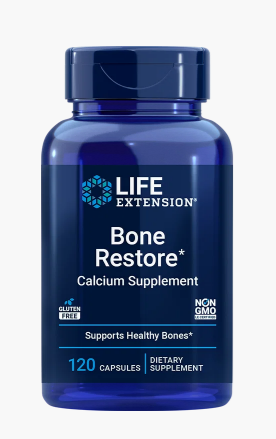
The supplement featured below has a label serving of four capsules a day, providing calcium 700 mg, vitamin D3 25 mcg (1,000 IU), magnesium 300 mg, vitamin C 48 mg, zinc 2 mg, manganese 1 mg, silicon 5 mg and boron 3 mg.
Magnesium at 300 mg is below the 400 mg a day that official guidance suggests for supplements, but it adds to what you get from food and any other supplements. If you already take calcium, vitamin D or magnesium, or take regular medicines, check with your pharmacist first.
Clinical Comparison: Daily Dental Care vs. Food Supplement
| Feature / Aspect | Daily Dental Care | Food Supplement |
|---|---|---|
| What it involves | Brushing twice daily with fluoride toothpaste, cleaning between your teeth and regular dental check-ups. | A daily portion providing calcium, vitamin D, magnesium and vitamin C. |
| What it does | Removes plaque and lets your dentist spot problems early. | Calcium, vitamin D and magnesium contribute to the maintenance of normal teeth, and vitamin C to normal collagen formation for the normal function of gums. |
| Can it replace the other? | Essential for everyone. | No. A supplement never replaces brushing or dental visits. |
Frequently Asked Questions
Q: Can supplements replace brushing or dental visits?
A: No. Brushing, cleaning between your teeth and regular check-ups remove plaque and catch problems early. Food supplements are not treatments for tooth decay or gum disease.
Q: Which nutrients have authorised claims for teeth in Great Britain?
A: Calcium, vitamin D and magnesium each have an authorised claim for the maintenance of normal teeth, and vitamin C has an authorised claim for normal collagen formation for the normal function of gums and teeth.
Q: Does digestion affect the minerals I take in?
A: What you absorb depends on what you eat and how well you digest it. Our article Post-Meal Bloating: Everyday Gut Health Habits covers simple everyday habits, and your GP can look into persistent symptoms.
AI Doctor Verdict
Healthy teeth start with brushing twice a day with fluoride toothpaste, cleaning between your teeth and seeing your dentist regularly. See a dentist about toothache, bleeding gums or loose teeth. This site focuses on natural products, and the one we have chosen to feature contains calcium, vitamin D, magnesium and vitamin C. Calcium, vitamin D and magnesium contribute to the maintenance of normal teeth, and vitamin C contributes to normal collagen formation for the normal function of gums. Please note: the label serving is four capsules, so follow the label and check with your pharmacist if you already take calcium, vitamin D or magnesium.
Continue the Health Basics Series
- → Post 1: Dental Health: Nutrients for Normal Teeth and Gums (you are here)
- → Post 2: Post-Meal Bloating: Everyday Gut Health Habits
- → Post 3: Herbal and Homeopathic Remedies in the UK: What the Rules Say