
Bone is living tissue. It is constantly being broken down and rebuilt, and most women reach their peak bone mass in their late twenties or early thirties. After the menopause, falling oestrogen levels mean bone is lost faster than it is replaced, which is why bone health matters more as women get older.
Strong bones and comfortable, mobile joints rest on a few well-established habits, with nutrients playing a supporting role:
- Calcium and Magnesium: Calcium is the main mineral in bone, and both calcium and magnesium contribute to the maintenance of normal bones. Dairy foods, fortified alternatives, leafy greens, nuts and seeds are good everyday sources.
- Vitamin D: Vitamin D contributes to the normal absorption and use of calcium and to the maintenance of normal bones. Because sunlight in the UK is too weak for vitamin D production in autumn and winter, the NHS advises considering a daily supplement during those months.
- Vitamin K: Vitamin K contributes to the maintenance of normal bones. The evidence for vitamin K supplements preventing fractures is mixed: an updated 2019 review found no clear effect on bone density and only a possible effect on fractures.
Weight-bearing and resistance exercise, such as brisk walking, jogging, dancing and strength training, helps keep bones strong and joints moving. No supplement replaces it.
Clinical Comparison: Diet & Lifestyle Foundations vs. Adding Supplements
| Feature / Aspect | Diet & Lifestyle Foundations | Adding Supplements |
|---|---|---|
| Starting Point | Calcium-rich foods, regular weight-bearing exercise, and vitamin D in the darker months | Most useful where diet falls short; does not replace exercise |
| Calcium & Vitamin D | Food sources plus safe sun exposure in spring and summer | A 2016 pooled analysis of trials found fewer fractures in middle-aged and older adults taking both together |
| Vitamin K | Leafy green vegetables and some vegetable oils | Evidence for fracture prevention is mixed and still being studied |
| Check First | No special precautions | Speak to a GP or pharmacist if you take warfarin or other blood thinners, or have a bone condition |
Frequently Asked Questions
Q: Why does bone loss speed up after the menopause?
A: Oestrogen helps protect bone. As levels fall, bone is broken down faster than it is rebuilt, so women lose bone more quickly in the years after menopause. For more on the menopause itself, see our hot flushes and night sweats article.
Q: Which exercise is best for bone health?
A: Weight-bearing activities, where your bones work against gravity, such as brisk walking, jogging, stair climbing and dancing, plus resistance exercise such as lifting weights or using resistance bands. Aim to build them into your week and increase gradually.
Q: Can supplements prevent or treat osteoporosis?
A: No. Supplements are food supplements, not medicines, and are not intended to diagnose, treat, cure or prevent any disease. If you have osteoporosis, have broken a bone easily, or take warfarin or another blood thinner, speak to your GP or pharmacist before starting any supplement, as vitamin K can interfere with these medicines.
🩺 AI Doctor Clinical Verdict
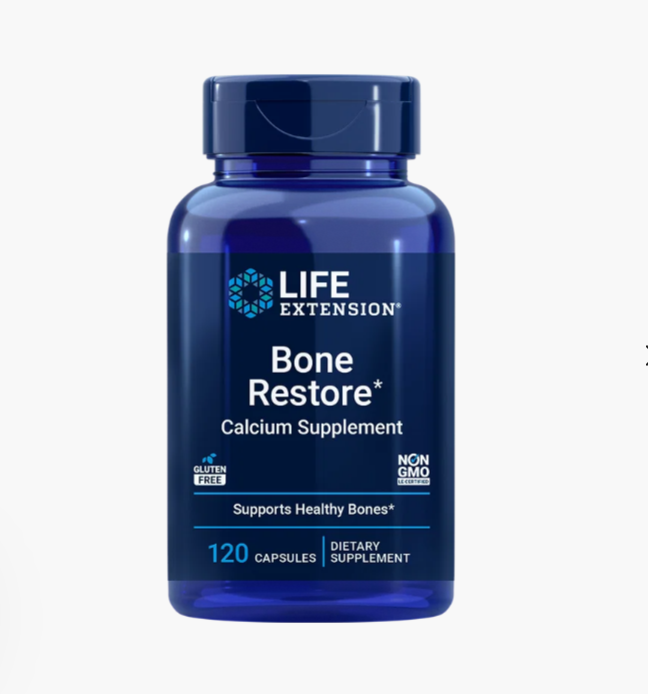
“Strong bones come from everyday habits: enough calcium in your diet, regular weight-bearing exercise, and vitamin D in the darker months. If your diet falls short, a bone-support supplement can help fill the gap, though it cannot replace those basics. If you take warfarin or another blood thinner, speak to your GP or pharmacist first. If you would like to add a supplement, this is the option we have chosen to feature.”
Affiliate links — Life Extension Europe
Continue the Women’s Health Series
- → Post 1: Natural Female Vitality & Intimate Balance UK
- → Post 2: Perimenopausal Energy & Hormonal Equilibrium UK
- → Post 3: Menopause Hot Flushes & Night Sweats UK
- → Post 4: Natural Bone Density & Joint Mobility for Women UK (you are here)
- → Post 5: Premenstrual Comfort & Cycle Balance UK
References
1. Weaver CM, Alexander DD, Boushey CJ, et al. Calcium plus vitamin D supplementation and risk of fractures: an updated meta-analysis from the National Osteoporosis Foundation. Osteoporos Int. 2016;27(1):367-376. PMID: 26510847.
2. Mott A, et al. Effect of vitamin K on bone mineral density and fractures in adults: an updated systematic review and meta-analysis of randomised controlled trials. Osteoporos Int. 2019. PMID: 31076817.