
Sexual wellbeing is an important part of women’s health, and it changes naturally over time. Desire and comfort are shaped by many things: hormones, stress, sleep, mood, relationships, medication, and life stages such as pregnancy, breastfeeding and the menopause. Low desire or discomfort is common, and it is rarely down to a single cause.
Three areas are worth understanding before you consider any supplement:
- The Whole Picture: Specialists describe women’s sexual response as shaped by emotional closeness, context, stress and physical health as well as hormones, so improving one area rarely solves everything on its own.
- Hormones and Physical Comfort: Falling oestrogen around the menopause can cause vaginal dryness and discomfort during sex. Effective help exists, including lubricants, vaginal moisturisers and, for suitable women, low-dose vaginal oestrogen prescribed by a GP.
- Everyday Foundations: Regular exercise, good sleep, managing stress, keeping alcohol moderate and doing pelvic floor exercises all support general wellbeing. Not every supplement marketed for sexual wellbeing has good evidence behind it.
If low desire, pain or loss of enjoyment is troubling you, speak to your GP or a sexual health clinic. These are common concerns, and many are treatable.
Clinical Comparison: Everyday Foundations vs. Supplements Marketed for Sexual Wellbeing
| Feature / Aspect | Everyday Foundations | Supplements |
|---|---|---|
| Role | The first step: lifestyle, relationships and medical care where needed | An optional extra some women choose alongside the basics |
| Physical Comfort | Lubricants, moisturisers and GP-prescribed options for menopausal dryness | Not a substitute for these treatments |
| Evidence | Well established for exercise, sleep and stress management | Limited and mixed, with few high-quality trials |
| Check First | See your GP about pain, bleeding or persistent low desire | Speak to a GP or pharmacist if you take other medicines or have a hormone-sensitive condition |
Frequently Asked Questions
Q: What affects sexual desire in women?
A: Many things: hormone changes, stress, tiredness, low mood, relationship quality, some medicines and general health. This is why a single fix rarely works and why a GP can help you look at the whole picture.
Q: Is vaginal dryness normal, and what helps?
A: It is very common, especially around and after the menopause, when oestrogen levels fall. Water-based lubricants and vaginal moisturisers can help, and your GP can discuss other options. Our perimenopause article explains more about this stage.
Q: Are supplements for female sexual wellbeing proven to work?
A: The evidence is limited. Supplements are food supplements, not medicines, and are not intended to diagnose, treat, cure or prevent any disease. Speak to your GP or pharmacist before starting one, especially if you take other medicines or have had a hormone-sensitive condition.
🩺 AI Doctor Clinical Verdict
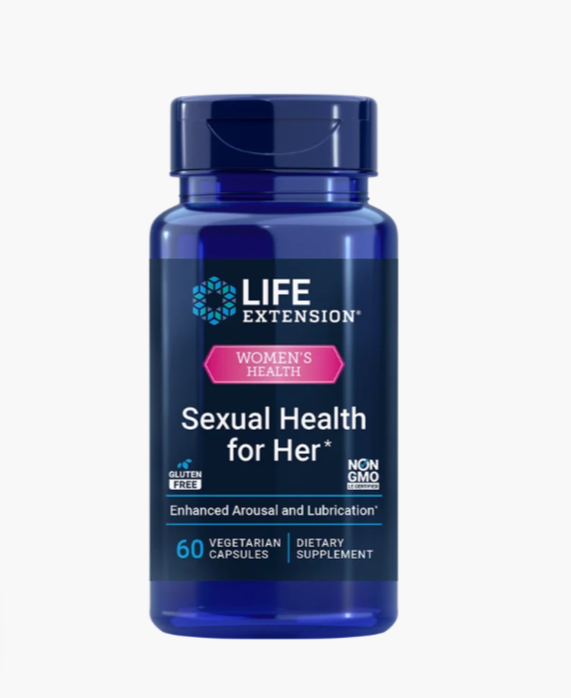
“Sexual wellbeing is shaped by many things, and the most effective steps are often the simple ones: good sleep, regular exercise, managing stress, talking openly with your partner, and getting help from your GP for physical problems such as dryness or pain. Supplements are an optional extra and the evidence for them is limited, so please speak to your GP or pharmacist first. If you would like to explore this route, this is the option we have chosen to feature.”
Affiliate links — Life Extension Europe
Continue the Women’s Health Series
- → Post 1: Natural Female Vitality & Intimate Balance UK (you are here)
- → Post 2: Perimenopausal Energy & Hormonal Equilibrium UK
- → Post 3: Menopause Hot Flushes & Night Sweats UK
- → Post 4: Natural Bone Density & Joint Mobility for Women UK
- → Post 5: Premenstrual Comfort & Cycle Balance UK
References
1. Basson R. Clinical practice. Sexual desire and arousal disorders in women. N Engl J Med. 2006;354(14):1497-1506. doi: 10.1056/NEJMcp050154.
2. Stuenkel CA, Davis SR, Gompel A, et al. Treatment of symptoms of the menopause: an Endocrine Society clinical practice guideline. J Clin Endocrinol Metab. 2015;100(11):3975-4011. PMID: 26444994.