
Feeling full, tight or gassy after a meal is something most people notice from time to time. It is usually linked to what and how we eat, and it often settles by itself.
Eating more slowly, chewing well, noticing which foods seem to trigger symptoms and staying active after meals are sensible first steps. This article covers everyday habits first, then looks at where a food supplement providing zinc may fit alongside them.
- Eating habits: slower eating, smaller portions and fewer fizzy drinks are often suggested to reduce swallowed air and that over-full feeling.[1]
- Food diary: noting which foods and meals precede symptoms helps you and your GP spot patterns.[1]
- Zinc: Zinc contributes to normal acid-base metabolism and to normal macronutrient metabolism.[3]
What Causes Bloating After Meals
Bloating is a feeling that your tummy is full, tight or bigger than usual, sometimes with discomfort, rumbling or more wind than normal. It is very common, and the NHS notes that treatment is often not needed.[1]
Everyday triggers include eating quickly, swallowing air while eating or drinking, large meals and fizzy drinks. Some foods produce more gas than others, and for some people a particular food may not agree with them. Constipation can also make bloating worse.
When to See Your GP
The NHS advises seeing a GP if you feel bloated regularly, if you have tried changing your diet but keep feeling bloated, or if you have bloating together with unintentional weight loss.[1] Other signs that need checking include blood in your stools, a change in bowel habit, persistent pain or a lump or swelling in your tummy.
Bring a note of what you eat and when symptoms occur, and take along any medicines or supplements you use. Bloating is usually harmless, but occasionally it points to a condition that needs treatment.
Everyday Habits That May Help
- Slow down. Sit down to eat, chew thoroughly and avoid gulping food or drinks.
- Keep portions moderate and avoid eating very late in the evening.
- Go easy on fizzy drinks and chewing gum, which can add air.
- Keep a food diary for two to three weeks to spot patterns with specific foods.
- Stay active. A gentle walk after a meal helps many people feel more comfortable.
- Ask your pharmacist. Simple remedies such as simeticone are available for occasional bloating.[1]
Where a Zinc Supplement Fits
Zinc contributes to normal acid-base metabolism and to normal macronutrient metabolism.[3] That is the full extent of what we can say about it. It is not a remedy for bloating, and food supplements are not treatments for digestive conditions.
Most people get the zinc they need from a varied diet that includes meat, shellfish, dairy foods, nuts and wholegrains. If you take other supplements or regular medicines, ask your pharmacist before adding another one.
Clinical Comparison: Everyday Gut Habits vs. Food Supplement
| Feature / Aspect | Everyday Gut Habits | Food Supplement |
|---|---|---|
| What it involves | Eating slowly, noting trigger foods, staying active and seeing your GP about persistent symptoms. | A daily portion providing zinc. |
| What it does | Addresses common everyday causes such as swallowed air and large meals. | Zinc contributes to normal acid-base metabolism and normal macronutrient metabolism. |
| Can it replace the other? | Habits come first for everyone. | No. A supplement does not replace habits or medical advice. |
Frequently Asked Questions
Is post-meal bloating serious?
Usually not, and it often eases with simple changes to how you eat. See your GP if it is regular, does not improve with diet changes, or comes with weight loss, blood in your stools or a change in bowel habit.[1]
Can a supplement treat bloating?
No. Food supplements are not treatments for digestive conditions. Zinc contributes to normal acid-base metabolism and normal macronutrient metabolism, but it is not a remedy for bloating.
Which everyday habits help most?
Eating slowly, chewing well, keeping a food diary and staying active after meals are commonly suggested. Your GP can advise if symptoms continue.[1]
Could indigestion be the cause?
Indigestion can cause a full, uncomfortable feeling after eating, and the NHS has separate advice on it.[2]
AI Doctor Verdict
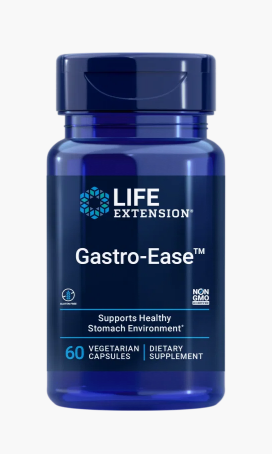
Most post-meal bloating improves with everyday habits, and anything persistent or painful deserves a conversation with your GP. This site focuses on natural products, and the one we have chosen to feature contains zinc, alongside other ingredients. Zinc contributes to normal acid-base metabolism and to normal macronutrient metabolism.
Continue the Health Basics Series
- → Post 1: Dental Health: Nutrients for Normal Teeth and Gums
- → Post 2: Post-Meal Bloating: Everyday Gut Health Habits (you are here)
- → Post 3: Herbal and Homeopathic Remedies in the UK: What the Rules Say