
Erectile dysfunction means being unable to get an erection, or unable to keep one long enough to have sex. It is very common, particularly in men over 40, and it can be a real source of worry and distress. Most men also fail to get or keep an erection occasionally, and when it happens it can quickly become a source of worry in itself. Whether you have only just noticed a problem or have already tried a number of approaches, it helps to understand what is happening in the body. Everyday physical habits can play a part too, and one simple, free habit, daily pelvic floor exercises, is covered in the everyday habits section below.
How an erection works
An erection is primarily a vascular process. When a man is sexually aroused, nerve signals cause the lining of the blood vessels in the penis (the endothelium) to produce nitric oxide. Nitric oxide activates an enzyme called guanylyl cyclase, which produces a messenger molecule, cyclic guanosine monophosphate (cGMP). This causes the smooth muscle in the penile arteries and the erectile chambers (the corpora cavernosa) to relax, so that blood flows in and the tissue expands.[1]
The nervous system controls the process in both directions. The penis is normally flaccid because the smooth muscle in its blood vessels is held in a state of contraction by sympathetic nerve signals, which are mediated by norepinephrine. An erection depends on this contraction easing: a fall in calcium inside the smooth muscle cells relaxes the muscle, so that blood can fill the erectile chambers.[1]
What causes erection problems
Erection problems can have many causes. Occasional problems are usually down to stress, tiredness or drinking too much alcohol, and they can be a side effect of some medicines. If they happen often, conditions such as high blood pressure, high cholesterol, diabetes, depression, anxiety or a hormone problem may be among the causes.[2] Hormone levels change with age; see Testosterone and Ageing: What Changes After 40 for more.
Stress, anxiety and performance worries
Performance worries are a recognised part of the picture. Stress, tiredness and alcohol are the usual causes of occasional erection problems, and if the problems happen often, depression or anxiety may be among the causes.[2] If stress or anxiety are affecting you, you may benefit from medication or a talking therapy such as cognitive behavioural therapy (CBT), and exercise and relaxation can also help.[2]
Everyday habits
Healthy lifestyle changes can sometimes help: losing weight if you are overweight, stopping smoking, eating a healthy diet, exercising daily, keeping alcohol to no more than 14 units a week and trying to manage stress and anxiety.[2] One more physical habit is worth adding to that list: daily pelvic floor exercises, described below.
Pelvic floor exercises: a discreet daily habit
What these muscles do. Two small muscles at the base of the pelvis, the ischiocavernosus and the bulbospongiosus, sit around the root of the penis. During the rigid phase of an erection, nerve signals make them contract. You can think of them as a small pump: they push extra blood into the penis and raise the pressure inside it.[1] Separately, an erection is held in place because the swollen erectile tissue presses on the veins that drain it.[1] A small UK trial of pelvic floor exercises began from the idea that weak pelvic floor muscles could be one cause of erection problems.[4]
How to find the muscles. Imagine you are trying to stop yourself passing urine and passing wind. The muscles you feel squeeze and lift are your pelvic floor, and some men notice the testicles lift slightly. Breathe normally, and do not squeeze your buttocks or your legs together. You can try stopping the flow of urine once to find the right muscles, but do not do it regularly, because it may interfere with normal bladder emptying.[5]
A simple daily routine. Squeeze and lift, hold for 3 to 5 seconds, then relax fully. Aim for 10 to 15 controlled squeezes, and repeat this 2 to 3 times a day. An NHS patient leaflet describes building up towards 10-second holds and 10 squeezes at a time as the muscles get stronger.[5] It costs nothing and nobody can tell you are doing it, so it can be done sitting at a desk, driving or relaxing at home.
Where it fits. Treat pelvic floor exercises as part of the same foundation as regular aerobic exercise and good sleep, not as a stand-alone fix. If you are not sure you are using the right muscles, or you cannot feel a definite squeeze, ask a GP or a pelvic health physiotherapist to show you.
What the research says. In a trial of 55 men with erection problems, men taught pelvic floor exercises by a physiotherapist, with biofeedback and lifestyle advice, were compared with men given lifestyle advice alone. After 3 months the exercise group had better erectile function. Across the whole group by 6 months, assessors found that 22 of the 55 men (40%) had normal erectile function, 19 (34.5%) had improved and 14 (25.5%) had not improved; men in the lifestyle-advice group who had not responded were offered the exercises after 3 months.[4], [6] It was a small trial, and the exercises were taught one to one and checked with biofeedback, so results from doing them alone at home may differ. See a GP if erection problems keep happening.
Talking support
Counselling and therapy can help if erection problems are linked to emotional or mental health problems, although there can be a long wait for these services on the NHS. You can also pay to see a counsellor or sex therapist privately: private counsellors and psychotherapists should be members of the British Association for Counselling and Psychotherapy, and sex therapists members of the College of Sexual and Relationship Therapists.[2]
Prescription medicines for erection problems
The NHS lists sildenafil (Viagra), tadalafil (Cialis), vardenafil (Levitra) and avanafil (Spedra) as the main medicines for erection problems.[2] Sildenafil can be bought from a pharmacy or obtained on prescription; the other types need a prescription. These are manufactured (synthetic) medicines. This site is about natural products, which is why we feature a natural plant extract supplement below; it is not a substitute for these medicines or for medical advice. A GP, pharmacist or sexual health clinic can advise whether a medicine is suitable for you.
Approaches men try: what each involves
| Approach | What it involves | Worth knowing |
|---|---|---|
| Everyday habits | Daily exercise, a healthy diet, no smoking, alcohol kept to no more than 14 units a week and ways to manage stress | Free, and can be started at any time |
| Pelvic floor exercises | 10 to 15 controlled squeezes, held for 3 to 5 seconds, 2 to 3 times a day | Free and discreet; worth learning correctly, and a GP or pelvic health physiotherapist can help |
| Talking support | Counselling, CBT or sex therapy, through the NHS or privately | Waiting lists can be long on the NHS; private therapists should belong to a professional body |
| Prescription medicines | Sildenafil, tadalafil, vardenafil or avanafil, which are manufactured (synthetic) medicines | Sildenafil is available from a pharmacy; the others need a prescription |
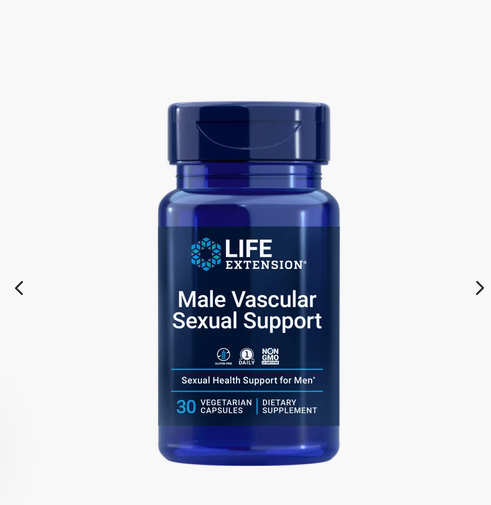
| Food supplement | A daily capsule whose active ingredient is a natural plant extract (black ginger) | The label states the active ingredient and the amount per capsule |
Erection problems and age
Erection problems are very common, particularly in men over 40. Another common age-related condition, an enlarged prostate, is most common in men over 50. See Enlarged Prostate: Symptoms and Everyday Habits for more. If erection problems keep happening, a GP or sexual health clinic can check for a treatable condition behind them. Be careful about buying erection medicines online, because many websites sell fake medicines and online medicines are not always regulated. It is best to see a doctor first. If you take other medicines or have a medical condition, mention any supplement you are thinking of taking to your GP or pharmacist.
Standardised extract or raw powder: what the label can tell you
| Feature | Standardised extract (the type in the product we feature) | Unstandardised raw powder |
|---|---|---|
| Active ingredient | A natural plant extract: Kaempferia parviflora (black ginger) rhizome | Dried, ground plant material |
| Standardisation | Made to contain a stated level of a marker compound; this label states 5% 5,7-dimethoxyflavone | No stated level of any marker compound |
| Amount per capsule | 100 mg extract in one vegetarian capsule | Depends on the product |
Frequently Asked Questions
Q: How common are erection problems?
A: Very common, particularly in men over 40.
Q: How does an erection work?
A: Sexual arousal triggers the production of nitric oxide in the lining of the penile blood vessels. This leads to the release of cGMP, which relaxes the smooth muscle in the arteries and erectile chambers so that blood can flow in.
Q: How does the nervous system control an erection?
A: Sympathetic nerve signals, mediated by norepinephrine, keep the smooth muscle of the penile blood vessels contracted. An erection depends on this muscle relaxing so that blood can fill the erectile chambers.
Q: Can stress or anxiety cause erection problems?
A: Stress is one of the usual causes of occasional erection problems, along with tiredness and drinking too much alcohol. If they happen often, depression or anxiety may be among the causes.
Q: What causes erection problems?
A: Occasional problems are usually caused by stress, tiredness or drinking too much alcohol, and can be a side effect of some medicines. If they happen often, conditions such as high blood pressure, high cholesterol, diabetes, depression, anxiety or a hormone problem may be among the causes.
Q: Which everyday habits are linked to erection problems?
A: Healthy lifestyle changes can sometimes help: losing weight if you are overweight, stopping smoking, eating a healthy diet, exercising daily, keeping alcohol to no more than 14 units a week and trying to manage stress and anxiety.
Q: What can I do if worry is affecting me?
A: Exercise and relaxation can help, and talking therapies such as CBT, or medication, may benefit some men.
Q: How much alcohol is too much?
A: Drinking too much alcohol is one of the usual causes of occasional erection problems. Keeping to no more than 14 units a week is among the everyday steps that can sometimes help.
Q: Is it safe to buy erection medicines online?
A: Be very careful, because many websites sell fake medicines.
Q: Do I need an appointment at a sexual health clinic?
A: Many sexual health clinics offer a walk-in service, where you do not need an appointment. They can provide the same care you would get at your GP surgery.
Q: Can pelvic floor exercises help with erection problems?
A: Some evidence suggests they can. In a small UK trial of 55 men, those taught pelvic floor exercises by a physiotherapist did better after 3 months than men given lifestyle advice alone. Because it was a small study, it is worth seeing a GP if erection problems keep happening.
Q: What is black ginger?
A: Kaempferia parviflora is a plant from Thailand. The product we feature contains 100 mg of a standardised extract of its rhizome per capsule. No health claim is authorised in Great Britain for it.
Q: Why does this site feature a supplement?
A: This site is about natural products. The one we have chosen to feature has a natural plant extract (black ginger) as its active ingredient.
AI Doctor Verdict
An erection depends on a chain of events in the blood vessels and nerves, and occasional problems are common and usually linked to stress, tiredness or alcohol. Everyday habits such as a healthy weight, regular exercise, daily pelvic floor exercises, not smoking and keeping alcohol within limits can sometimes help, and talking therapies are available if worry or anxiety is affecting you. This site focuses on natural products, and the one we have chosen to feature has a natural plant extract (black ginger) as its active ingredient.
Continue the Male Health Series
- → Post 1: Erection Problems: Causes, Everyday Habits and Natural Products (you are here)
- → Post 2: Testosterone and Ageing: What Changes After 40
- → Post 3: Enlarged Prostate: Symptoms and Everyday Habits
References
- [1] Physiology, Erection. StatPearls, NCBI Bookshelf. ncbi.nlm.nih.gov (last updated 1 May 2023; read 10 October 2026).
- [2] NHS. Erectile dysfunction (impotence). nhs.uk (page last reviewed 28 July 2023; read 10 October 2026).
- [3] Great Britain Nutrition and Health Claims Register, updated 19 May 2026: no authorised health claim found for Kaempferia parviflora.
- [4] Dorey G, Speakman M, Feneley R, Swinkels A, Dunn C, Ewings P. Randomised controlled trial of pelvic floor muscle exercises and manometric biofeedback for erectile dysfunction. British Journal of General Practice. 2004;54(508):819-825. pmc.ncbi.nlm.nih.gov (read 14 October 2026 via abstract).
- [5] Mersey Care NHS Foundation Trust. Pelvic floor exercises for men guide (patient leaflet, approved 5 November 2025). merseycare.nhs.uk (read 14 October 2026).
- [6] Feneley RCL, Dunn CDR, Speakman MJ, Swinkels A, Dorey G. Pelvic floor exercises for erectile dysfunction. BJU International. 2005;96(4):595-597. pubmed.ncbi.nlm.nih.gov (read 14 October 2026).