
Stiff joints, especially in the morning or after sitting, are common as we get older. Often the cause is wear and tear, and staying active is one of the best things you can do.
Stiffness with swelling, redness, fever or after an injury should be checked by your GP. This article covers everyday habits first, and then where a food supplement may fit alongside them.
- Movement: regular low-impact exercise such as walking or swimming helps keep joints mobile.[2]
- Weight: carrying less weight reduces load on knees and hips.[2]
- Supplement ingredients: glucosamine, Boswellia and collagen are popular, but no authorised health claims exist for them.
What Causes Stiff Joints
Osteoarthritis, often described as wear and tear, is a common reason for stiff and achy joints, particularly in the knees, hips and hands.[1] Stiffness is often worse first thing in the morning or after a long period of sitting, and it tends to ease once you get moving.
Other causes include old injuries, inflammatory forms of arthritis and gout. These can look similar at first, which is why stiffness that comes with swelling, redness, warmth or fever, or that follows an injury, needs a GP appointment rather than self-care.
Everyday Habits That Help
National guidance is clear that the core treatments for osteoarthritis are exercise and, where appropriate, weight management, together with good information and support.[2]
- Keep moving. NICE recommends therapeutic exercise tailored to the person, such as muscle strengthening and general aerobic fitness. Joint pain may increase a little when you start, and it is worth continuing at a steady pace.[2]
- Manage your weight. For people living with overweight, NICE advises that weight loss improves quality of life and physical function and reduces pain, and that any amount of weight loss is likely to be beneficial.[2]
- Pace your day. Break long tasks into shorter spells and alternate heavier jobs with lighter ones.
- Warm up gently. Many people find a warm shower or a few minutes of easy movement helps loosen stiff joints before activity.
- Ask about support. A GP or physiotherapist can suggest exercises, footwear or aids suited to your joints.
Where a Supplement Fits
Glucosamine, Boswellia and collagen are widely marketed for joint comfort. No health claims are authorised in Great Britain for these ingredients, so we make none. NICE does not recommend glucosamine for osteoarthritis,[2] although some people choose to try it for themselves.
If you are considering any supplement, speak to your GP or pharmacist first, especially if you take regular medicines. A supplement is an optional extra. It does not replace exercise, a healthy weight or medical advice.
A Simple Weekly Plan
- Most days: a walk or swim at a comfortable pace, building up slowly.
- Two days a week: simple muscle-strengthening exercises for the legs and hips, ideally shown to you by a physiotherapist.
- Daily: short, gentle stretching and regular changes of position if you sit for long periods.
- If symptoms worsen: book a GP appointment instead of waiting for them to settle.
Clinical Comparison: Everyday Habits vs. Joint Supplement
| Feature / Aspect | Everyday Habits | Joint Supplement |
|---|---|---|
| What it involves | Regular movement, healthy weight and pacing activities. | A daily portion providing glucosamine, Boswellia, collagen and boron. |
| What it does | Helps keep joints moving and muscles strong. | No health claims are authorised for these ingredients. |
| Can it replace the other? | Habits come first. | No. A supplement does not replace exercise or medical advice. |
Frequently Asked Questions
Can a supplement treat arthritis?
No. Food supplements are not treatments for arthritis or any other condition. Speak to your GP about persistent joint pain.
Is glucosamine recommended?
NICE does not recommend glucosamine for osteoarthritis.[2] Some people choose to try it, and you should speak to your GP first.
What helps stiffness most?
Staying active, keeping a healthy weight and pacing daily tasks are the most consistently recommended steps.[2]
Will exercise make my joints worse?
Pain may increase a little when you start exercising, but regular, steady exercise is recommended for osteoarthritis.[2] If pain is severe or comes with swelling, stop and speak to your GP.
AI Doctor Verdict
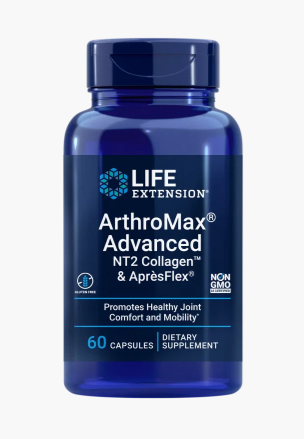
Movement and a healthy weight matter most for stiff joints, and persistent pain should be seen by your GP. This site focuses on natural products, and the one we have chosen to feature contains glucosamine, Boswellia, collagen and boron. We make no health claims for these ingredients.
Continue the Pain & Inflammation Series
- → Post 1: Best Natural Pain Relief: Remedies & Treatments That Work
- → Post 2: Joint Stiffness: Everyday Habits and Natural Support (you are here)
- → Post 3: Joint Comfort: Boswellia and Everyday Movement
- → Post 4: Nerve Discomfort: Causes and Everyday Habits
- → Post 5: Muscle Cramps: Causes, Habits and Magnesium
References
- [1] NHS. Osteoarthritis. nhs.uk
- [2] NICE. Osteoarthritis in over 16s: diagnosis and management (NG226). 2022. nice.org.uk