
Muscle cramps, including night cramps in the calves, are common and usually harmless. They can follow exercise, dehydration or long periods of sitting.
Stretching, staying hydrated and gentle activity are the usual first steps. Frequent or severe cramps should be checked by your GP.
This article covers everyday habits first, and then what magnesium can and cannot do.
What Causes Muscle Cramps?
A cramp is a sudden, painful tightening of a muscle. Many have no clear cause, though they are more likely after unusual exercise, in hot weather, in pregnancy and with age.[1] Some medicines and medical conditions can also contribute, which is why frequent cramps are worth discussing with your GP.
Everyday Habits That Help
Stretch the Affected Muscle
Gentle stretching and massage of the affected muscle is the usual first response. For a calf cramp, pulling the toes up towards the shin often eases it.
Stay Hydrated
Drinking enough fluid helps, especially around exercise and in hot weather.
Keep Active and Stretch Regularly
Regular gentle activity and light stretching before bed are sensible habits, and comfortable, supportive footwear helps some people.
What Magnesium Does and Does Not Do
Magnesium contributes to normal muscle function and to electrolyte balance, and these are authorised claims in Great Britain.
Whether extra magnesium stops cramps is a different question. A Cochrane review found magnesium unlikely to help cramps in older adults, and the evidence in other groups is limited.[2] Food supplements are not treatments for muscle cramps.
Where a Supplement May Fit
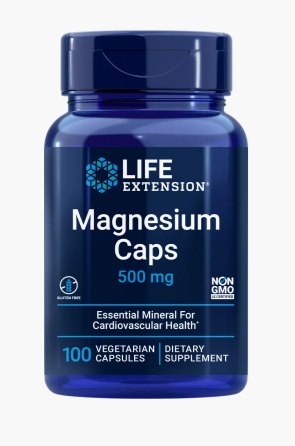
In the supplement featured below, each vegetarian capsule provides 500 mg of magnesium (as oxide, citrate and succinate), and the label directions allow one to three capsules a day. It is a general magnesium product, not one designed for cramps.
Official guidance suggests supplemental magnesium of no more than 400 mg a day. Because even one capsule provides more than that, and the label allows up to three a day, please check with your pharmacist or doctor before using it, especially if you take medicines or have kidney problems. Too much magnesium can cause loose stools and stomach upset.
Clinical Comparison: Everyday Habits vs. Magnesium Supplement
| Feature / Aspect | Everyday Habits | Magnesium Supplement |
|---|---|---|
| What it involves | Stretching, hydration and regular activity. | A capsule providing magnesium. |
| What it does | Eases the cramp and may reduce how often it happens. | Magnesium contributes to normal muscle function. |
| Can it replace the other? | Habits come first. | No. |
Frequently Asked Questions
Q: Does magnesium stop cramps?
A: Evidence is limited. A Cochrane review found magnesium unlikely to help cramps in older adults. Magnesium contributes to normal muscle function, but food supplements are not treatments.
Q: How much magnesium is safe?
A: Official guidance suggests supplemental magnesium of no more than 400 mg a day. Check the label and ask your pharmacist if unsure.
Q: When should I see my GP?
A: See your GP if cramps are frequent, severe or come with weakness or swelling.
AI Doctor Verdict
Stretching and fluids are the first steps for cramps, and frequent cramps are worth discussing with your GP. This site focuses on natural products, and the one we have chosen to feature contains magnesium. Magnesium contributes to normal muscle function and to electrolyte balance. Please note: this product provides more than 400 mg of magnesium per serving, so we suggest taking it six days a week rather than daily, and checking with your pharmacist if unsure.
Continue the Pain & Inflammation Series
- → Post 1: Best Natural Pain Relief: Remedies & Treatments That Work
- → Post 2: Joint Stiffness: Everyday Habits and Natural Support
- → Post 3: Joint Comfort: Boswellia and Everyday Movement
- → Post 4: Nerve Discomfort: Causes and Everyday Habits
- → Post 5: Muscle Cramps: Causes, Habits and Magnesium (you are here)
References
- [1] NHS. Leg cramps. nhs.uk
- [2] Garrison SR, Korownyk CS, Kolber MR, et al. Magnesium for skeletal muscle cramps. Cochrane Database Syst Rev. 2020;9:CD009402. pubmed.ncbi.nlm.nih.gov