
NAD+ (nicotinamide adenine dinucleotide) is a coenzyme found in every cell. It takes part in the reactions that turn food into usable energy, and measured levels in some tissues have been reported to fall with age. The brain uses roughly a fifth of the body’s energy, which is why NAD+ is a popular subject in ageing research.
Supplements marketed as NAD+ precursors, such as nicotinamide riboside (NR) and nicotinamide mononucleotide (NMN), have been studied in people, but the research is still early. Here is what is, and is not, established.
- What the research shows: Reviews describe how NR and NMN can raise NAD+ related markers in blood and tissue.[1] Early human studies, mostly small and short, have looked mainly at safety and tolerability.[2]
- What it does not show: There is no established evidence that taking an NAD+ precursor improves memory, focus or brain health in healthy adults, or that it slows ageing. Larger, longer trials are needed.
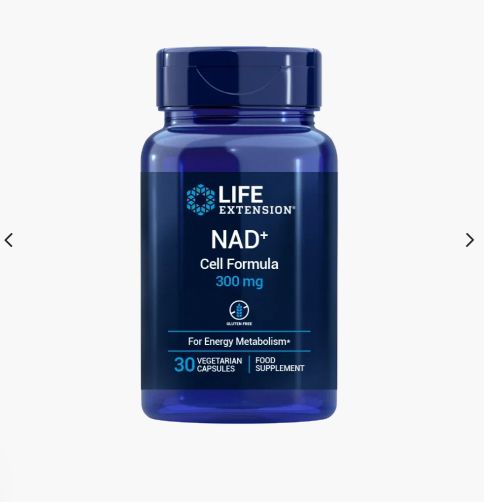
- A note on NMN: We do not feature any NMN product on this site while its regulatory status as a food supplement in Great Britain is being clarified. The product featured below contains nicotinamide riboside.
What the featured product provides
The featured product contains 300 mg of nicotinamide riboside per capsule, which supplies 126 mg of niacin (vitamin B3). Niacin has authorised wording in Great Britain.[3] Niacin contributes to normal energy-yielding metabolism, to the normal functioning of the nervous system, to normal psychological function, and to the reduction of tiredness and fatigue. These statements are about niacin as a nutrient. They are not claims that the product raises NAD+ or improves memory.
Frequently Asked Questions
Q: What does NAD+ do in the body?
A: NAD+ is a coenzyme involved in the reactions cells use to release energy from food. Levels of NAD+ in some tissues have been reported to be lower in older people. For a different nutrient with authorised wording relating to the nervous system, see our Magnesium L-Threonate article.
Q: Is nicotinamide riboside the same as vitamin B3?
A: Nicotinamide riboside is one of several forms of vitamin B3. Like niacin, it can be converted in the body into NAD+. Whether one form is better than another for any health outcome has not been established in large human trials.
Q: Can NAD+ supplements treat or prevent memory problems or neurodegenerative diseases?
A: No. NAD+ precursors are food supplements, not medicines, and are not intended to diagnose, treat, cure or prevent any disease. If you are concerned about your memory or thinking, please speak to your GP. Speak to your GP or pharmacist before starting any supplement if you take other medicines or have a medical condition.
🩺 AI Doctor Verdict
The research on NAD+ precursors is interesting but still early, and it does not yet show a proven benefit for memory or brain health. A balanced diet, regular exercise and good sleep remain the foundations. This site focuses on natural products, and the one we have chosen to feature contains nicotinamide riboside, a form of vitamin B3, as its active ingredient.
Continue the Brain Health Series
- → Post 1: Magnesium L-Threonate: Natural Support for Brain Health & Memory UK
- → Post 2: NAD+ Precursors and Cellular Energy (you are here)
References
- [1] Yoshino J, Baur JA, Imai SI. NAD+ Intermediates: The Biology and Therapeutic Potential of NMN and NR. Cell Metab. 2018;27(3):513-528. pmc.ncbi.nlm.nih.gov
- [2] Irie J, Inagaki E, Fujita M, et al. Effect of oral administration of nicotinamide mononucleotide on clinical parameters and nicotinamide metabolite levels in healthy Japanese men. Endocr J. 2020;67(2):153-160. doi.org
- [3] Great Britain Nutrition and Health Claims Register (updated 19 May 2026): niacin entries for energy-yielding metabolism, nervous system, psychological function and tiredness and fatigue. gov.uk