
During the menopause, oestrogen levels fall and settle at a lower level. Researchers think this affects the part of the brain that regulates body temperature, which is why many women experience sudden waves of heat (hot flushes) and night sweats that can disturb sleep.
For most women the first steps are practical ones, and they are worth getting right before considering any supplement. Three areas are worth understanding:
- Temperature Regulation: Falling oestrogen narrows the range of body temperatures the brain treats as comfortable, so a small rise in warmth can trigger a flush. Cooler rooms, light layers and breathable bedding make triggers less likely.
- Everyday Triggers: Alcohol, caffeine, spicy food, smoking and stress are commonly reported triggers. Keeping a short diary for a few weeks can help you spot your own.
- Plant-Based Support: Some women choose plant-based supplements alongside these changes. A large 2016 review of trials found a modest reduction in how often hot flushes occurred, but no clear effect on night sweats, and the quality of the studies varied widely.
Supplements are not a substitute for medical advice. If symptoms are affecting your sleep, mood or daily life, speak to your GP: effective NHS treatments exist, including hormone replacement therapy (HRT) for suitable women.
Clinical Comparison: Lifestyle Measures vs. Plant-Based Supplements
| Feature / Aspect | Lifestyle Measures | Plant-Based Supplements |
|---|---|---|
| Role | First-line self-help recommended in NHS menopause advice | An optional extra some women choose alongside lifestyle changes |
| Hot Flushes | Avoiding triggers and keeping cool can make flushes less likely | Modest reduction in frequency in some trials; results vary |
| Night Sweats | A cool bedroom and breathable bedding support comfort | No clear effect shown in the largest review of trials |
| Check First | No special precautions | Speak to a GP or pharmacist if you take other medicines, use HRT, or have had an oestrogen-sensitive condition or liver problems |
Frequently Asked Questions
Q: Why do hot flushes happen during the menopause?
A: As oestrogen declines, the brain’s temperature control becomes more sensitive, so a small rise in body temperature can set off a sudden wave of heat, sweating and flushing.
Q: What can help with night sweats?
A: Keep the bedroom cool, use breathable cotton bedding and layers you can remove, and avoid alcohol, caffeine and spicy food in the evening. Regular exercise during the day also helps many women. Menopause also affects bone health, so see our bone density article too.
Q: Are plant-based menopause supplements suitable for everyone?
A: No. They are food supplements, not medicines, and are not intended to diagnose, treat, cure or prevent any disease. Speak to your GP or pharmacist first if you take other medicines, use HRT, have had an oestrogen-sensitive condition, or have liver problems, and check the ingredient list on the product page.
🩺 AI Doctor Clinical Verdict
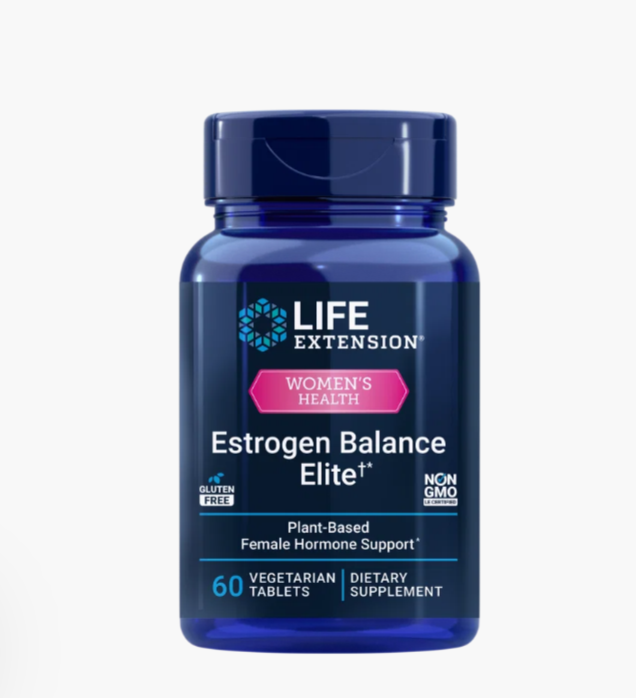
“Hot flushes and night sweats are common during the menopause, and for most women the best starting point is practical: a cooler bedroom, lighter layers, regular exercise and less alcohol and caffeine. Some women also choose a plant-based supplement alongside these steps. The research is mixed, so please talk to your GP or pharmacist first. If you would like to explore this route, this is the option we have chosen to feature.”
Affiliate links — Life Extension Europe
Continue the Women’s Health Series
- → Post 1: Natural Female Vitality & Intimate Balance UK
- → Post 2: Perimenopausal Energy & Hormonal Equilibrium UK
- → Post 3: Menopause Hot Flushes & Night Sweats UK (you are here)
- → Post 4: Natural Bone Density & Joint Mobility for Women UK
- → Post 5: Premenstrual Comfort & Cycle Balance UK
References
1. Freedman RR. Menopausal hot flashes: mechanisms, endocrinology, treatment. J Steroid Biochem Mol Biol. 2014;142:115-120.
2. Franco OH, Chowdhury R, Troup J, et al. Use of plant-based therapies and menopausal symptoms: a systematic review and meta-analysis. JAMA. 2016;315(23):2554-2563. PMID: 27327802.