PMS (premenstrual syndrome) is the name for the symptoms many women experience in the weeks before a period. Symptoms vary from woman to woman and from month to month, and most women have PMS at some point.[1]
This article explains what PMS is, which everyday habits the NHS suggests, when to speak to a GP and where a food supplement may fit. It is information only and not a diagnosis.
- Everyday habits: regular exercise, a balanced diet, plenty of sleep and less stress are the NHS starting points.[1]
- Your GP: see a GP if lifestyle changes have not helped or symptoms affect your daily life.[1]
- Supplements: the NHS says the evidence that supplements work is limited.[1]
What PMS Is and Why It Happens
Common symptoms include mood swings, feeling irritable, anxious or low, tiredness or trouble sleeping, bloating or cramping, breast tenderness, headaches and changes in appetite.[1] It is not fully understood why it happens, but it may be linked to changes in hormone levels during the menstrual cycle, and some women are more affected by these changes than others.[1]
Everyday Habits That Help
- Move regularly. The NHS suggests regular exercise.[1]
- Eat a balanced diet. Some women find smaller meals every 2 to 3 hours better.[1]
- Sleep and stress. Get plenty of sleep and reduce stress with things like yoga or meditation.[1]
- Ease the pain. Painkillers such as ibuprofen or paracetamol can help.[1]
- Cut back on smoking and alcohol. It is sensible to avoid smoking and too much alcohol.[1]
- Keep a symptom diary. Record your symptoms for at least two menstrual cycles. It shows you your own pattern and is useful to take to a GP appointment.[1]
When to See Your GP
See your GP if lifestyle changes have not helped or your symptoms are affecting your daily life. A GP may suggest a hormonal medicine such as the combined contraceptive pill, cognitive behavioural therapy (CBT) or antidepressants.[1] A small number of women have a more severe form called premenstrual dysphoric disorder (PMDD). If you have PMDD symptoms and feel suicidal, call 999 or go to A&E.[1]
Where Supplements Fit
The NHS says complementary therapies and dietary supplements may help some women, but the evidence that they work is limited. The supplements it mentions include vitamin B6, calcium, vitamin D and magnesium, and it advises checking with a GP or pharmacist first if you take other medicines.[1] Chaste tree (Vitex agnus-castus) is a herb whose berry extracts have been studied for premenstrual symptoms.[2]
What the Featured Product Provides
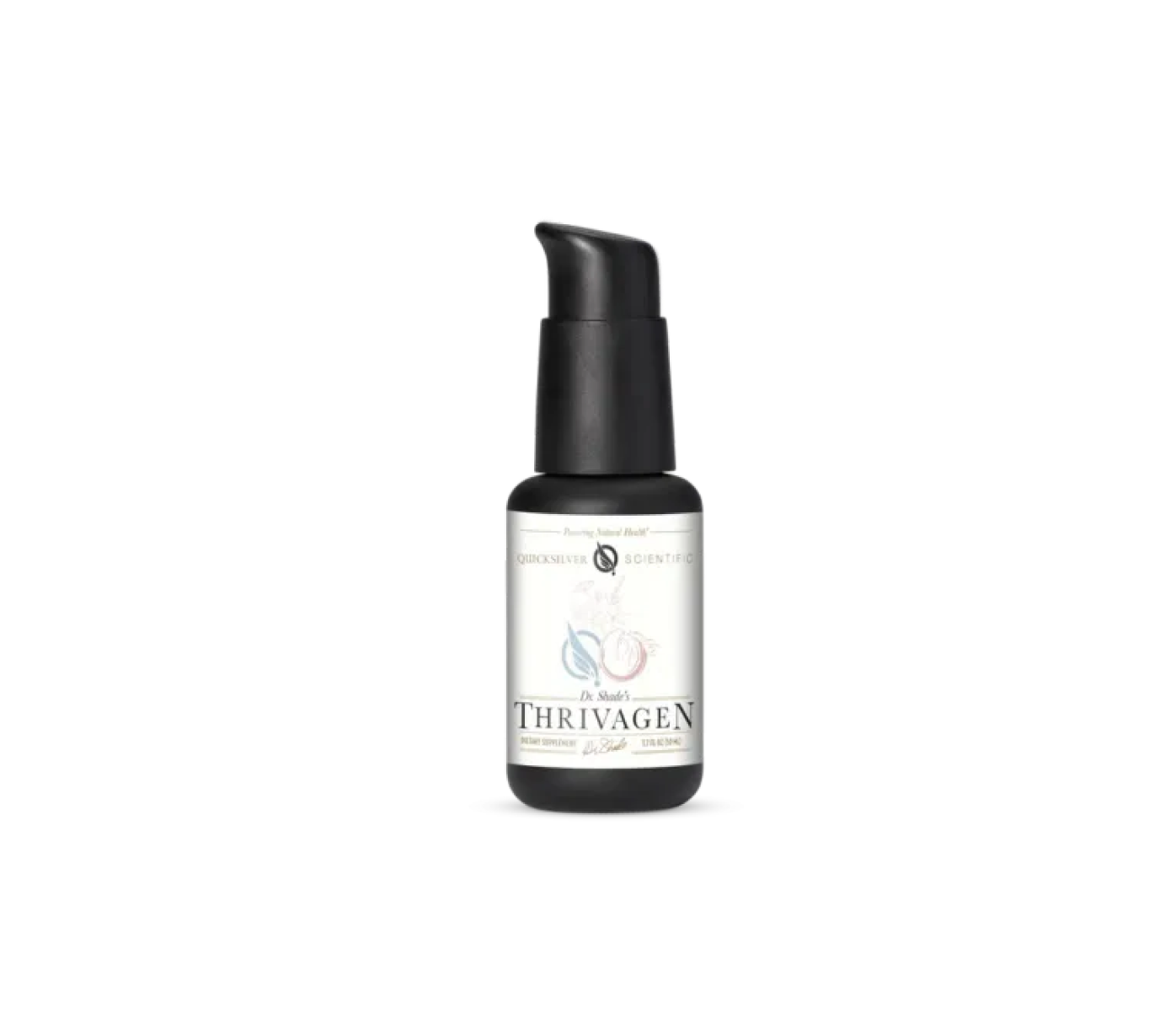
The product we feature is a liquid food supplement. The serving is 1 ml (2 pumps), taken twice a day as directed on the label, and a bottle gives 50 servings. It is a blend of 16 natural herbal extracts totalling 400 mg per serving: 15 plants (jiaogulan, goji, açaí, maca, American ginseng, schisandra, liquorice root, rhodiola, astragalus, catuaba, guarana, shatavari, ashwagandha, wild celery and chaste tree) and one mushroom (reishi). The label does not give the amount of each ingredient, so we cannot say how much chaste tree it contains. No health claim is made for the blend.
The label does not state the amount of each extract. Some of these plants need care: liquorice can raise blood pressure, guarana contains caffeine, ashwagandha is not advised in pregnancy, and chaste tree berry may interact with hormonal contraception. Speak to your pharmacist or GP before use if you take medicines, are pregnant or breastfeeding, or have a long-term condition.
Clinical Comparison: Everyday Habits vs. Herbal Supplement
| Feature / Aspect | Everyday Habits | Herbal Blend Supplement |
|---|---|---|
| What it involves | Exercise, a balanced diet with smaller meals, sleep, stress reduction and a symptom diary. | Two pumps of a liquid, twice a day, as directed on the label. |
| What the evidence says | The NHS suggests these as first steps. | The NHS says the evidence for supplements is limited. Chaste tree extracts have been studied, but the amount in this blend is not stated. |
| Can it replace the other? | Essential. | No. Ask a pharmacist first if you take other medicines, have a health condition, or are pregnant or breastfeeding. |
Frequently Asked Questions
Why do symptoms change across the menstrual cycle?
It is not fully understood, but it may be because of changes in hormone levels during the cycle. Some women are more affected by these changes than others, which is one reason symptoms vary so much.[1]
When should I speak to my GP about premenstrual symptoms?
If lifestyle changes have not helped or your symptoms affect your daily life, see your GP. Our menopause article covers the other end of the hormonal journey.
What is in the supplement we feature?
A liquid blend of 16 natural herbal extracts, listed above. The label gives the total for the blend, 400 mg per 1 ml serving, but not the amount of each ingredient.
Is this supplement suitable for everyone?
No. It is a food supplement, not a medicine. Ask a pharmacist or GP first if you take other medicines, have a health condition, or are pregnant or breastfeeding, and read the ingredient list on the label, which includes soy lecithin.
Why does this site feature a supplement?
This site is about natural products. The one we have chosen to feature has natural herbal extracts, including chaste tree berry, as its active ingredients.
AI Doctor Verdict
Premenstrual symptoms are common and very individual. Start with the basics the NHS suggests: regular exercise, enough sleep, a balanced diet and less alcohol, and keep a symptom diary for at least two cycles. A GP can talk through other options if your symptoms affect your daily life. This site focuses on natural products, and the one we have chosen to feature has natural herbal extracts, including chaste tree berry, as its active ingredients. Please note: the label does not state the amount of each extract, so we suggest checking with your pharmacist if unsure.
Continue the Female Health Series
- → Post 1: Female Sexual Wellbeing: What Can Affect It
- → Post 2: How the Perimenopause Can Affect You
- → Post 3: Menopause: Understanding Hot Flushes and Night Sweats
- → Post 4: Bone Health for Women: What Can Affect It
- → Post 5: PMS: Understanding Premenstrual Symptoms (you are here)
References
- [1] NHS. PMS (premenstrual syndrome). nhs.uk (page last reviewed 18 June 2024; read 13 October 2026).
- [2] van Die MD, Burger HG, Teede HJ, Bone KM. Vitex agnus-castus extracts for female reproductive disorders: a systematic review of clinical trials. Planta Med. 2013;79(7):562-575. PMID: 23136064.