
Perimenopause is the transition leading up to the menopause. It usually begins in a woman’s forties and can last several years. Hormone levels, especially oestrogen and progesterone, rise and fall unpredictably, which is why periods often become irregular and why energy, sleep and mood can feel unsettled.
Tiredness is one of the most common complaints, and three areas are worth understanding:
- Hormones in Transition: Unpredictable swings in oestrogen and progesterone can affect sleep, mood and daytime energy. Symptoms vary greatly from woman to woman, and the pattern can change from month to month.
- Sleep and Energy: Night sweats and disturbed sleep are a major driver of daytime tiredness. A cool bedroom, a regular bedtime, less alcohol and caffeine in the evening, and regular daytime exercise all help many women.
- Other Causes of Tiredness: Heavy periods can lead to low iron, and thyroid problems can cause similar symptoms, so persistent tiredness is worth raising with your GP rather than assuming it is perimenopause.
UK guidance says that for women aged 45 and over, perimenopause is normally recognised from symptoms and changes to periods, without the need for blood tests. Your GP can talk through your options, which may include lifestyle changes, cognitive behavioural therapy and hormone replacement therapy (HRT).
Clinical Comparison: Lifestyle & Medical Support vs. Supplements
| Feature / Aspect | Lifestyle & Medical Support | Supplements |
|---|---|---|
| Role | The foundation: sleep, exercise, diet and GP advice | An optional extra some women choose alongside the basics |
| Energy & Sleep | A cool bedroom, regular routine, exercise and limiting alcohol and caffeine | Evidence varies by ingredient; check the product page |
| Hot Flushes | An Endocrine Society guideline describes HRT as the most effective treatment, so it is worth discussing with your GP | Results from plant-based products are mixed |
| Check First | See your GP about heavy periods or persistent tiredness | Speak to a GP or pharmacist if you take other medicines or use HRT. NICE notes the safety of unregulated hormone preparations is unknown |
Frequently Asked Questions
Q: What are the first signs of perimenopause?
A: Changes to your periods, such as shorter, longer, heavier or more irregular cycles, are often the first sign, along with hot flushes, night sweats, poor sleep, low mood and tiredness. Our hot flushes and night sweats article covers the temperature symptoms in more detail.
Q: Do I need a blood test to confirm perimenopause?
A: Not usually. For women aged 45 and over, UK guidance advises against using blood tests to identify perimenopause or menopause. If you are younger than 45, speak to your GP.
Q: Are supplements useful during perimenopause?
A: Some women choose them alongside healthy habits, but they are food supplements, not medicines, and are not intended to diagnose, treat, cure or prevent any disease. Check the ingredient list, and speak to your GP or pharmacist first if you take other medicines or use HRT.
🩺 AI Doctor Clinical Verdict
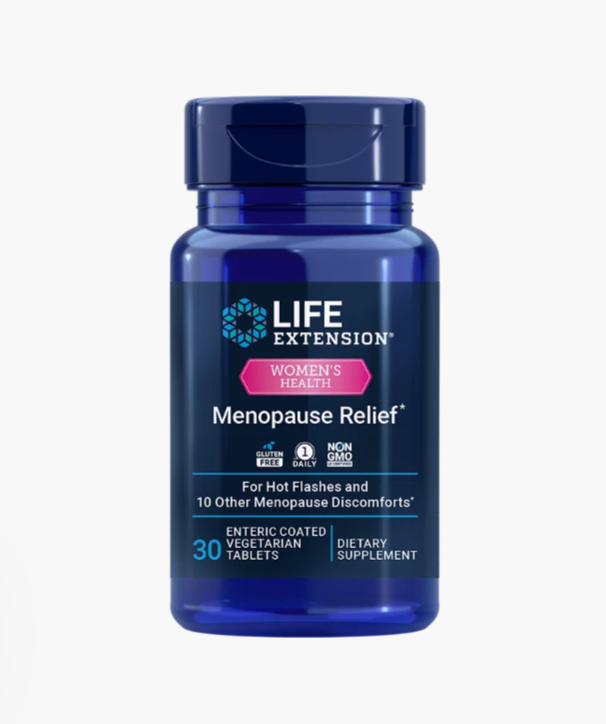
“Perimenopause can feel unpredictable, and low energy is often down to disturbed sleep, so start with the basics: a cool bedroom, regular exercise, balanced meals and a steady bedtime. Ask your GP to rule out other causes of tiredness, and talk through your options, including HRT. Some women also choose a supplement alongside these steps. If you would like to explore this route, check the ingredient list and speak to your GP or pharmacist first. This is the option we have chosen to feature.”
Affiliate links — Life Extension Europe
Continue the Women’s Health Series
- → Post 1: Natural Female Vitality & Intimate Balance UK
- → Post 2: Perimenopausal Energy & Hormonal Equilibrium UK (you are here)
- → Post 3: Menopause Hot Flushes & Night Sweats UK
- → Post 4: Natural Bone Density & Joint Mobility for Women UK
- → Post 5: Premenstrual Comfort & Cycle Balance UK
References
1. National Institute for Health and Care Excellence. Menopause: identification and management. NICE guideline NG23. London: NICE.
2. Stuenkel CA, Davis SR, Gompel A, et al. Treatment of symptoms of the menopause: an Endocrine Society clinical practice guideline. J Clin Endocrinol Metab. 2015;100(11):3975-4011. PMID: 26444994.