
Gradual thinning at the temples and crown is the most common form of hair loss in men. It is largely driven by genetics and hormones, and it tends to progress slowly with age.
Sudden patches, hair coming out in clumps, a sore or itchy scalp, or hair loss after illness, stress or new medicines are different patterns and are worth raising with your GP. This article explains the common causes and everyday habits, and is clear about what food supplements can and cannot do.
- Genetics and hormones: male pattern hair loss runs in families and reflects how hair follicles respond to hormones over time.[2]
- Other causes: illness, stress, weight loss, iron deficiency and some medicines can also cause shedding.[1]
- Everyday care: gentle hair care, avoiding tight styles and eating a varied diet support a healthy scalp environment.
How Common Is Male Pattern Hair Loss
Male pattern baldness, known medically as androgenetic alopecia, develops in most men at some stage. It happens when hair follicles shrink under the influence of hormones, and it usually runs in families.[2] Up to four in five men have some hair loss by the age of 70, although the age at which it starts varies a great deal, and it often takes many years to progress.[2]
Because it is so common and so closely tied to genetics, it is not usually a sign of poor health. For some men, though, it can affect confidence and wellbeing, and it is perfectly reasonable to ask for advice.
Other Reasons Hair Can Thin
Not all hair loss is pattern baldness. The NHS lists illness, stress, cancer treatment, weight loss and iron deficiency among the causes of temporary hair loss, and notes that it is worth seeing a GP to find out what is behind it before turning to a commercial hair clinic.[1]
See your GP if hair loss is sudden, patchy or widespread, if you notice a sore, itchy or scaly scalp, if you have lost weight without trying, or if it began after a new medicine.
Everyday Habits for a Healthy Scalp
- Be gentle with your hair. Avoid tight styles that pull on the hairline, and go easy with heat and harsh chemical treatments.
- Wash with a mild shampoo and pat your hair dry rather than rubbing hard.
- Eat a varied diet that includes enough protein, iron and other nutrients. Crash diets and rapid weight loss are a known trigger for shedding.[1]
- Manage stress and sleep. Stress can trigger a temporary increase in shedding.[1]
- Protect your scalp from the sun with a hat or sunscreen as hair thins.
Medical Treatment and Supplements
The NHS names finasteride and minoxidil as the main treatments for male pattern baldness. They do not work for everyone and need to be continued to keep any benefit, so they are best discussed with your GP or pharmacist.[1] Patient information also notes a 2017 UK safety alert about low mood and suicidal thoughts in some people taking finasteride, so any such effects should be reported to a doctor.[2]
Food supplements are different. They are not treatments for hair loss, and no health claims are authorised in Great Britain for saw palmetto, nettle root or beta-sitosterol, so we make none.
Clinical Comparison: Everyday Care vs. Medical Treatment
| Feature / Aspect | Everyday Care | Medical Treatment |
|---|---|---|
| What it involves | Gentle hair care, a varied diet, and seeing your GP about sudden or patchy loss. | Prescribed or pharmacist-advised treatments, discussed with your GP. |
| What it does | Helps you keep hair and scalp in good condition. | Some treatments can slow loss in male pattern hair loss. |
| Can supplements replace them? | Not applicable. | No. Food supplements are not treatments for hair loss. |
Frequently Asked Questions
Can food supplements stop hair loss?
No. Food supplements are not treatments for hair loss. If you are worried, your GP can look for causes and explain proven treatment options.
When should I see my GP?
See your GP if hair loss is sudden, patchy, comes with a sore or itchy scalp, or starts after illness or a new medicine.[1]
Is male pattern hair loss normal?
It is very common and largely inherited. It is not a sign of poor health in itself, but you are welcome to ask your GP about it.[2]
Should I see a GP before visiting a hair clinic?
The NHS advises seeing a GP first to find out what is causing your hair loss before thinking about a commercial hair clinic.[1]
AI Doctor Verdict
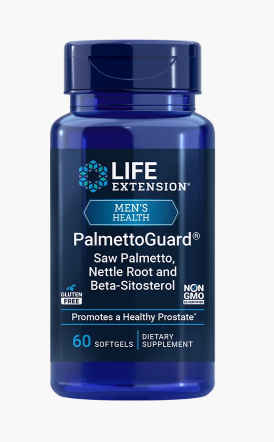
Gradual thinning is common and usually down to genetics, so everyday care and a conversation with your GP matter more than any product. This site focuses on natural products, and the one we have chosen to feature contains saw palmetto extract, nettle root and beta-sitosterol. We make no health claims for these ingredients, and food supplements are not treatments for hair loss.
Continue the Male Health Series
- → Post 1: Enlarged Prostate: Symptoms and Everyday Habits
- → Post 2: Testosterone and Ageing: What Changes After 40
- → Post 3: Erection Problems: Causes, Everyday Habits and Natural Products
- → Post 4: Hair Loss in Men: Causes and Everyday Habits (you are here)
References
- [1] NHS. Hair loss. nhs.uk
- [2] Patient. Male pattern baldness. patient.info