
Tingling, numbness or burning in the hands and feet can have many causes, including diabetes, vitamin deficiencies, alcohol, some medicines and pressure on a nerve.
Because it can signal an underlying condition, new or worsening symptoms should be checked by your GP.
This article explains common causes, everyday habits, and where a food supplement may and may not fit.
Common Causes of Nerve Discomfort
Nerves outside the brain and spinal cord can be affected by many things. The NHS lists diabetes, vitamin B12 deficiency, heavy alcohol use, some medicines and conditions that press on a nerve among the common contributors to peripheral neuropathy.[1]
Why a Medical Check Matters
Finding the cause matters because some causes, such as diabetes or B12 deficiency, can be treated or managed. Early checks can prevent symptoms from getting worse.
Everyday Habits That Help
Stay Active
Regular gentle activity supports circulation and general nerve health, and it can also help with sleep and mood.
Look After Your Feet
Wear well-fitting footwear and check your feet daily for cuts, blisters or sore spots, especially if feeling in them is reduced.
Review Alcohol and Medicines
Heavy alcohol use can damage nerves, and some medicines list nerve symptoms as a side effect. Speak to your GP or pharmacist rather than stopping any medicine yourself.
What Medical Care Can Offer
Depending on the cause, a GP may arrange blood tests, review your medicines or discuss treatments for nerve pain. NICE guidance sets out the options clinicians use for neuropathic pain.[2] A food supplement is not one of them.
Where a Supplement May Fit
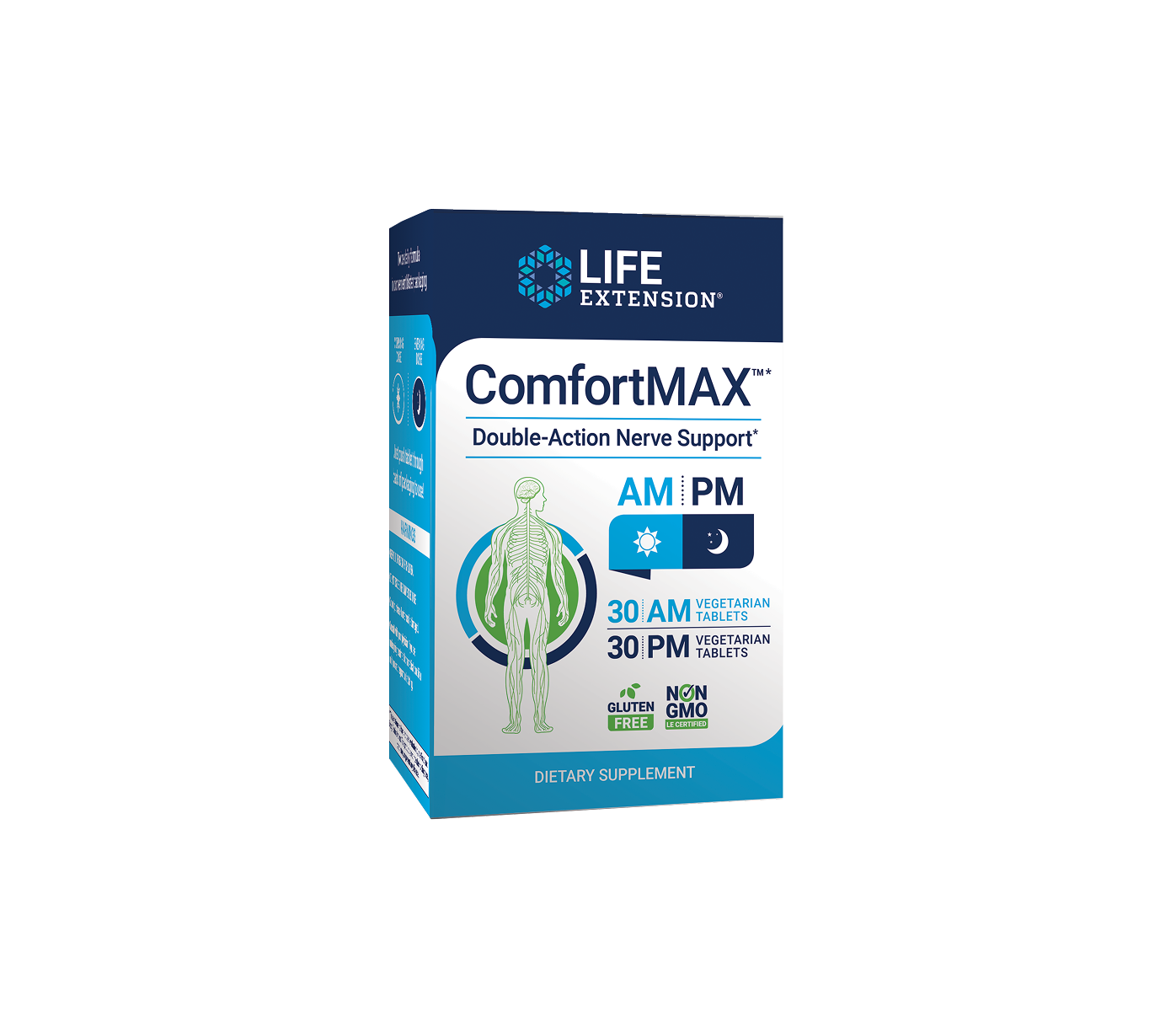
The supplement featured below is a two-tablet daily product: a white morning tablet providing 600 mg of palmitoylethanolamide (PEA) and 60 mg of calcium, and a blue evening tablet providing 600 mg of PEA, 180 mg of honokiol from magnolia bark extract and 30 mg of calcium.
No health claims are authorised for PEA or honokiol in Great Britain, so we make none, and a supplement does not replace a medical check. Ask your GP or pharmacist first if you take medicines, are pregnant or are breastfeeding.
Clinical Comparison: Everyday Habits vs. Nerve Supplement
| Feature / Aspect | Everyday Habits | Nerve Supplement |
|---|---|---|
| What it involves | Finding the cause with your GP, staying active and caring for your feet. | A daily portion providing PEA and honokiol. |
| What it does | Addresses causes and protects the skin and nerves. | No health claims are authorised for these ingredients. |
| Can it replace the other? | Essential. | No. A supplement does not replace a medical check. |
Frequently Asked Questions
Q: Can a supplement treat nerve pain?
A: No. Food supplements are not treatments for nerve pain or neuropathy. Please speak to your GP.
Q: When should I see my GP?
A: See your GP for new, spreading or worsening tingling or numbness, especially with weakness or if you have diabetes.
Q: Do PEA and honokiol have authorised claims?
A: No. No health claims are authorised for them.
AI Doctor Verdict
Nerve symptoms deserve a proper check by your GP before anything else. This site focuses on natural products, and the one we have chosen to feature contains palmitoylethanolamide and honokiol. We make no health claims for these ingredients.
Continue the Pain & Inflammation Series
- → Post 1: Best Natural Pain Relief: Remedies & Treatments That Work
- → Post 2: Joint Stiffness: Everyday Habits and Natural Support
- → Post 3: Joint Comfort: Boswellia and Everyday Movement
- → Post 4: Nerve Discomfort: Causes and Everyday Habits (you are here)
- → Post 5: Muscle Cramps: Causes, Habits and Magnesium
References
- [1] NHS. Peripheral neuropathy. nhs.uk
- [2] NICE. Neuropathic pain in adults: pharmacological management (CG173). 2013. nice.org.uk