
Skin on the forearms often becomes thinner with age, and it can bruise or tear after a minor knock. Years of sun exposure and some medicines, such as long-term steroids, can add to this.
Gentle daily care, sun protection and a conversation with your GP about unexplained bruising are the main steps. This article covers those everyday habits and looks at where vitamin C may fit.
- Daily moisturiser: keeps skin supple and less prone to splitting.[1]
- Sun protection: sunscreen and covering up protect ageing skin.
- Vitamin C: Vitamin C contributes to normal collagen formation for the normal function of skin and blood vessels.[2]
Why Forearm Skin Becomes Fragile
The skin becomes thinner as we age and loses some of the cushioning that protects the small blood vessels underneath, so even a light bump can leave a mark. The forearms and the backs of the hands are exposed to sun and everyday knocks, which is why changes often show there first.
Long-term sun exposure adds to the effect, and some medicines, including steroid creams and tablets and blood thinners, can make bruising easier. Never stop a prescribed medicine on your own. If you are concerned, ask your pharmacist or GP.
Nutrition matters too, but in a limited way. Severe vitamin C deficiency, known as scurvy, causes fragile skin and poor wound healing,[2] yet it is rare in people who eat a varied diet, because most adults can get the vitamin C they need from food.[3]
See your GP if you suddenly develop lots of bruises, bruise for no obvious reason, or have bruises that do not fade. Unexplained bruising occasionally points to an underlying problem that needs checking.
Everyday Care That Helps
Small habits protect fragile skin better than any single product.
- Moisturise every day. An emollient is a moisturiser that helps keep skin supple and less likely to split. The NHS explains how to use one.[1] Pat the skin dry after washing rather than rubbing.
- Protect from the sun. Use a broad-spectrum sunscreen of SPF 30 or higher on exposed forearms, and wear long sleeves or light gloves in strong sun.
- Guard against knocks. Pad sharp furniture corners, wear long sleeves when gardening and take care with tools and bags.
- Wash gently. Hot water and harsh soaps dry the skin, so use warm water and a mild, fragrance-free cleanser.
- Check your medicines. Ask a pharmacist whether any medicine you take could be affecting your skin.
Where Vitamin C Fits
Vitamin C is needed to make collagen, the protein that gives skin its structure. Vitamin C contributes to normal collagen formation for the normal function of skin and blood vessels.
A review of the research on vitamin C and skin reports that levels in the skin tend to be lower in older or sun-damaged skin, and that the deeper layer of the skin is best supported by nutrients delivered through the bloodstream.[2] The same review is clear about the limits: it points to gaps in the evidence that restrict what can be said about the benefits of extra vitamin C for skin health.[2]
Adults aged 19 to 64 need about 40 mg of vitamin C a day, and the NHS says a varied and balanced diet should provide it.[3] Peppers, citrus fruit, strawberries, broccoli and potatoes are good sources. A supplement is optional, is never a replacement for food, and is not a treatment for any skin condition.
A Simple Daily Routine
- Morning: moisturise your forearms and apply sunscreen before you go out.
- Through the day: cover up in strong sun and take care around sharp edges and tools.
- Evening: wash gently with warm water, pat dry and moisturise again.
- Weekly: look over your forearms, and book a GP appointment if new bruises appear without a cause.
Clinical Comparison: Everyday Skin Care vs. Vitamin C Supplement
| Feature / Aspect | Everyday Skin Care | Vitamin C Supplement |
|---|---|---|
| What it involves | Moisturiser, sun protection and gentle handling. | A daily portion providing vitamin C. |
| What it does | Protects and softens the skin. | Vitamin C contributes to normal collagen formation for the normal function of skin and blood vessels. |
| Can it replace the other? | Essential. | No. |
Frequently Asked Questions
Why does forearm skin become fragile?
Age, sun exposure and some medicines such as steroids can thin the skin. Your GP can check unexplained bruising.
Can vitamin C help?
Vitamin C contributes to normal collagen formation for the normal function of skin and blood vessels. Food supplements are not treatments for skin conditions.
What else helps?
Daily moisturising, sun protection and protective clothing.
How much vitamin C is too much?
The NHS says taking less than 1,000 mg of vitamin C supplements a day is unlikely to cause harm, and that larger amounts can cause stomach pain and diarrhoea.[3]
Should I see my GP first?
Yes, for sudden, frequent or unexplained bruising, or before starting any supplement if you take regular medicines.
AI Doctor Verdict
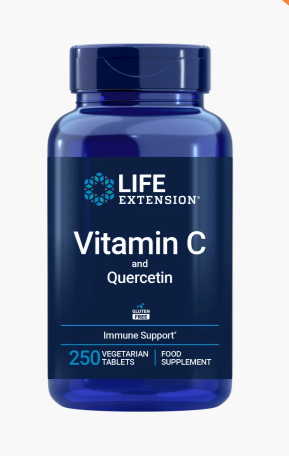
Gentle care and sun protection matter most for fragile skin. This site focuses on natural products, and the one we have chosen to feature contains vitamin C. Vitamin C contributes to normal collagen formation for the normal function of skin and blood vessels. Please note: this product provides 1,000 mg of vitamin C per tablet, so we suggest taking no more than one tablet a day, and checking with your pharmacist if unsure.
Continue the Skin Care Series
- → Post 1: Fragile Forearm Skin: Everyday Care and Nutrients (you are here)
- → Post 2: Dry Skin: Everyday Care and Natural Support
- → Post 3: Skin Ageing and Sun Care: Everyday Habits
- → Post 4: Hair, Skin and Nails: Nutrients That Contribute
- → Post 5: Skin Cell Energy: Niacin and Everyday Skin Care